
CSS Exams Age Limit Eligibility Criteria Attempts & FPSC Rules 2027 in Pakistan
The CSS exam remains the premier gateway to Pakistan’s prestigious civil service positions, offering aspirants the opportunity to serve their nation in various administrative capacities. As we approach 2027, understanding the CSS Exams Age Limit Eligibility Criteria Attempts & FPSC Rules 2027 in Pakistan has become more crucial than ever for prospective candidates. This comprehensive guide provides all the essential information about CSS exam eligibility, age limits, attempts, and FPSC rules for 2027, ensuring you have the most up-to-date information to navigate this competitive examination successfully. Whether you’re a fresh graduate or a seasoned professional looking to transition into civil service, this article will equip you with the knowledge needed to prepare effectively for the CSS examination.
Table of Contents
- Understanding the CSS Exam Structure
- CSS Exam Eligibility Criteria 2027
- CSS Age Limit 2027: Complete Guide
- CSS Exam Attempts Limit: Rules & Regulations
- FPSC Rules & Regulations for CSS Exam 2027
- CSS Exam Eligibility Comparison
- Expert Tips for CSS Eligibility
- Common Eligibility Mistakes to Avoid
- Frequently Asked Questions (FAQs)
- Conclusion
- Key Takeaways
Understanding the CSS Exam Structure
The Central Superior Services (CSS) examination, conducted by the Federal Public Service Commission (FPSC), stands as one of the most competitive and prestigious examinations in Pakistan. Understanding the CSS exam structure is fundamental for aspirants aiming to secure positions in Pakistan’s civil service. The examination process is meticulously designed to evaluate candidates’ knowledge, analytical abilities, and administrative potential through a comprehensive assessment spanning multiple stages.
Examination Process Overview
The CSS examination process typically unfolds over several months, beginning with the submission of applications and culminating in the final interview and medical examination. The journey commences with the written examination, which serves as the initial screening mechanism. Candidates who successfully clear the written phase proceed to the psychological assessment, followed by a viva voce (interview) and finally a medical examination. Each stage is designed to evaluate different aspects of a candidate’s suitability for civil service roles, ensuring that only the most capable individuals are selected.
Components of the CSS Examination
The written examination consists of compulsory and optional subjects, testing candidates’ knowledge across various domains. The compulsory subjects include English Essay, English (Precis & Composition), Pakistan Affairs, Islamic Studies/Ethics, and General Knowledge. These subjects form the bedrock of the examination, assessing candidates’ understanding of fundamental concepts relevant to civil service. Additionally, candidates select optional subjects based on their academic background and interests, allowing them to demonstrate specialized knowledge in areas of their expertise.
“The CSS examination is not merely a test of knowledge but a comprehensive evaluation of a candidate’s potential to serve as a civil servant. The multi-stage process ensures that only well-rounded individuals capable of handling the complexities of public administration are selected.”
The psychological assessment evaluates candidates’ personality traits, emotional intelligence, and problem-solving abilities. This stage is crucial as it helps determine whether candidates possess the temperament required for the high-pressure environment of civil service. The viva voce interview, conducted by a panel of experienced civil servants and subject matter experts, assesses candidates’ communication skills, depth of knowledge, and suitability for various administrative positions.
Importance of CSS Exam in Pakistan’s Civil Service Recruitment
The CSS examination holds paramount importance in Pakistan’s civil service recruitment process. Successful completion of this examination opens doors to various occupational groups, including Pakistan Administrative Service (PAS), Police Service of Pakistan (PSP), Foreign Service of Pakistan (FSP), and several other prestigious groups. These positions come with significant responsibilities, including policy formulation, implementation, and governance at the highest levels.
Moreover, the CSS examination serves as a merit-based selection mechanism, ensuring that the most capable individuals are appointed to key administrative positions. This meritocratic approach is essential for maintaining efficiency and integrity in public service. The rigorous examination process also helps identify individuals with the potential to adapt to the evolving demands of governance in a rapidly changing global landscape.
For aspirants, understanding the CSS exam structure is not just about knowing what to study but comprehending the holistic evaluation approach. This awareness enables candidates to prepare effectively, focusing on both knowledge acquisition and the development of essential skills required for civil service. As we delve deeper into the eligibility criteria, age limits, and FPSC rules for the 2027 examination, keep in mind how each aspect of the examination process contributes to selecting the best candidates for Pakistan’s civil service.
CSS Exam Eligibility Criteria 2027
The CSS exam eligibility criteria for 2027 represent the foundational requirements that prospective candidates must fulfill to participate in this prestigious examination. These criteria serve as the first checkpoint in the selection process, ensuring that only qualified individuals proceed to the examination stages. Understanding these requirements in detail is crucial for aspirants to avoid disqualification at the initial stage of the application process.
Educational Qualifications
For the CSS examination 2027, candidates must possess a minimum of a Bachelor’s degree (16 years of education) from a recognized university or institution. This educational prerequisite establishes a baseline of knowledge and analytical thinking capabilities necessary for civil service positions. The degree can be in any discipline, allowing candidates from diverse academic backgrounds to compete. However, certain occupational groups may have specific educational preferences or requirements, which candidates should consider when selecting optional subjects.
According to the FPSC’s latest guidelines, the degree must be from an institution recognized by the Higher Education Commission (HEC) of Pakistan. Degrees obtained from foreign universities must be equivalenced by the HEC before submission of the CSS application. This requirement ensures that all candidates meet a standardized educational benchmark, maintaining the integrity of the selection process.
Age Requirements
The age criteria for CSS exam 2027 are a critical component of eligibility, designed to ensure that candidates possess the appropriate balance of youth and experience for civil service positions. As per the current regulations, the age limit for general category candidates is 21 to 30 years. However, this range may vary for different categories, including special quotas and reserved seats. The age is calculated as on January 1 of the examination year, meaning candidates must fall within the specified age range on this specific date.
The age limit policy has evolved over the years, with several amendments to accommodate the changing demographics and aspirations of Pakistan’s youth. For the 2027 examination, the FPSC has maintained the existing age brackets, providing continuity in the selection process. Candidates should note that age relaxation is available for certain categories, including government servants, disabled individuals, and candidates from specific regions.
Nationality and Domicile Requirements
Candidates must be citizens of Pakistan and hold a valid domicile certificate from any province of Pakistan, Azad Jammu and Kashmir, or Gilgit-Baltistan. The domicile requirement ensures that candidates have a connection to the regions they aim to serve, fostering a sense of local understanding and commitment. For government servants, additional requirements apply, including departmental permission and specific service conditions.
Candidates applying under special quotas, such as women, minorities, or disabled persons, must provide relevant certificates to support their claims. These quotas are designed to promote diversity and inclusion in Pakistan’s civil service, reflecting the country’s demographic composition. The FPSC strictly verifies all supporting documents, and any discrepancies can lead to disqualification.
Physical and Medical Standards
While not explicitly part of the eligibility criteria, candidates must meet certain physical and medical standards to qualify for various occupational groups. For instance, candidates applying for the Police Service of Pakistan (PSP) or other physically demanding positions must meet specific height, chest, and vision requirements. These standards are assessed during the medical examination stage, but candidates should be aware of them beforehand to avoid disappointment.
The medical examination evaluates candidates’ overall health and fitness for the rigors of civil service. Candidates with serious medical conditions that could impair their ability to perform official duties may be deemed unfit. It’s advisable for candidates to undergo a preliminary medical check-up to identify any potential issues that might affect their eligibility.
Recent Changes in Eligibility Criteria
The FPSC periodically reviews and updates the eligibility criteria for the CSS examination to align with national priorities and changing administrative requirements. For the 2027 examination, several notable changes have been introduced:
- Digital Application Process: The CSS application process has been fully digitized, requiring candidates to submit all documents online. This change aims to streamline the application process and reduce paperwork.
- Enhanced Document Verification: The FPSC has implemented stricter verification procedures for educational certificates and domicile documents. Candidates are now required to provide original documents at various stages of the selection process.
- Introduction of New Optional Subjects: To keep pace with evolving administrative needs, the FPSC has introduced new optional subjects, including Data Science, Artificial Intelligence, and Environmental Science, reflecting the growing importance of these fields in governance.
- Revised Age Relaxation Policy: The age relaxation policy has been standardized across different categories, providing clearer guidelines for candidates seeking concessions.
These changes underscore the FPSC’s commitment to maintaining the integrity and relevance of the CSS examination process. Candidates should familiarize themselves with these updates to ensure compliance and avoid any potential disqualifications.
Documentation Requirements
Meeting the eligibility criteria requires careful preparation and submission of accurate documentation. Candidates must gather the following documents before applying:
- Academic Transcripts: Attested copies of all academic degrees and certificates.
- Domicile Certificate: Attested domicile certificate from the relevant authority.
- CNIC: Computerized National Identity Card.
- Character Certificate: From the head of the institution last attended.
- Photographs: Recent passport-sized photographs.
- Departmental Permission: For government servants.
- Quota Certificates: For candidates applying under special quotas.
All documents must be attested by the appropriate authorities, and any false information can lead to permanent disqualification from future CSS examinations. Candidates should ensure that all documents are in order before submitting their applications to avoid last-minute complications.
Understanding the CSS exam eligibility criteria for 2027 is the first step in your journey toward joining Pakistan’s prestigious civil service. By carefully reviewing these requirements and preparing the necessary documentation, you can position yourself for success in the examination process. As we explore the age limit, attempts policy, and FPSC rules in subsequent sections, keep in mind how these eligibility criteria form the foundation of your CSS examination journey.
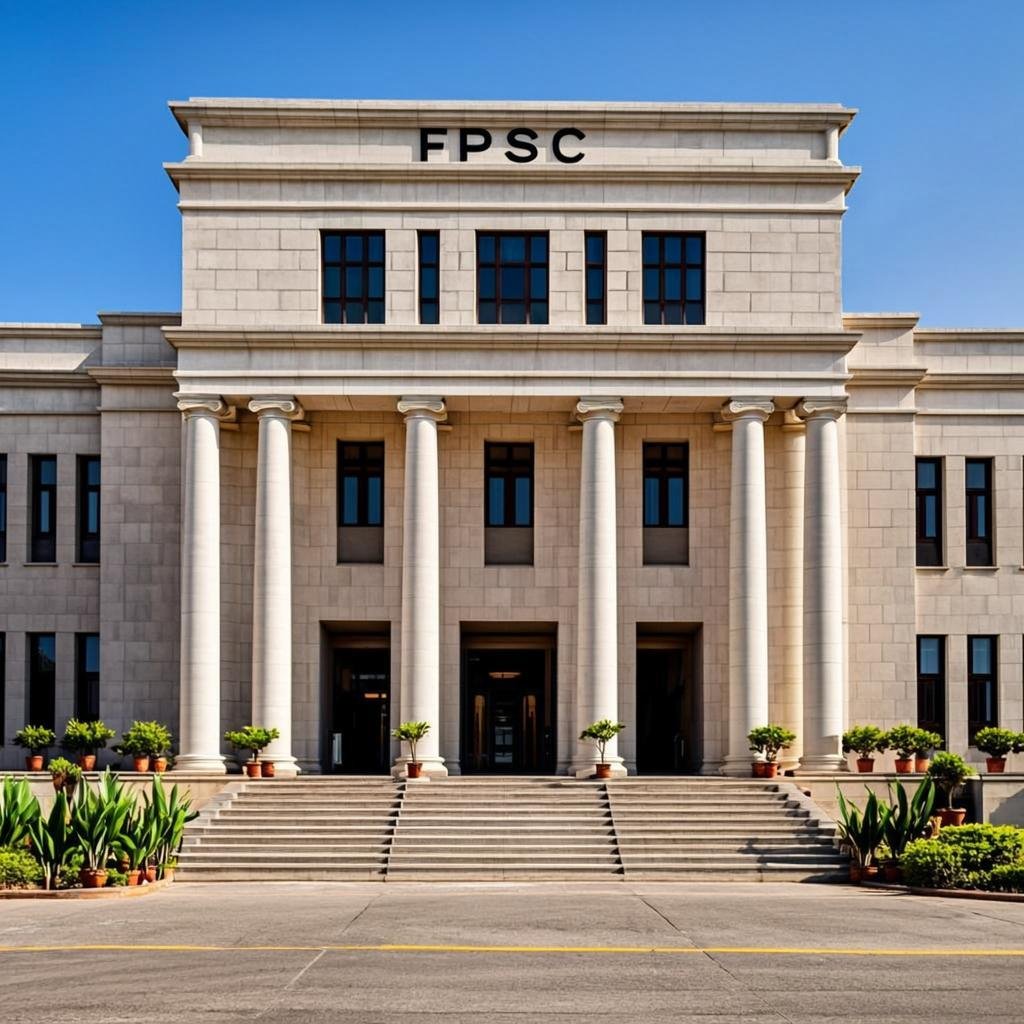
The FPSC sets the official rules for CSS examinations in Pakistan
CSS Age Limit 2027: Complete Guide
The CSS age limit represents one of the most critical factors in determining eligibility for Pakistan’s premier civil service examination. For the 2027 examination, understanding the age requirements is essential for prospective candidates to plan their career paths effectively. The age limit policy not only determines who can appear in the examination but also influences the strategic planning of candidates regarding preparation timelines and career decisions.
Current Age Limit for CSS Exam 2027
For the CSS examination 2027, the standard age limit for general category candidates is 21 to 30 years. This age bracket is calculated as on January 1 of the examination year, meaning candidates must fall within this range on this specific date to be eligible. The upper age limit of 30 years is particularly significant as it represents the cutoff point beyond which candidates from the general category cannot appear in the examination.
The age limit policy is designed to ensure that civil servants enter the service at an appropriate stage in their lives, balancing the energy and enthusiasm of youth with the maturity and experience gained through education and early career experiences. This approach aligns with administrative requirements where civil servants are expected to serve for a minimum period before retirement, making age a crucial consideration in the selection process.
Age Limit Breakdown by Category
The CSS age limit varies across different categories, reflecting the government’s commitment to promoting diversity and inclusion in civil service. Here’s a detailed breakdown of the age limits for various categories for the 2027 examination:
| Category | Age Limit (Minimum) | Age Limit (Maximum) | Relaxation Available |
|---|---|---|---|
| General Category | 21 years | 30 years | None |
| Government Servants | 21 years | 28 years | 5 years |
| Disabled Persons | 21 years | 35 years | 10 years |
| Minorities | 21 years | 30 years | None |
| Women | 21 years | 30 years | None |
| Azad Kashmir & Gilgit-Baltistan | 21 years | 30 years | None |
| Belonging to Scheduled Areas | 21 years | 32 years | 5 years |
Table: CSS Age Limit Breakdown by Category for 2027 Examination
This breakdown illustrates how different categories benefit from varying degrees of age relaxation, allowing more candidates to compete for civil service positions. Government servants, for instance, are granted a 5-year relaxation to accommodate their prior service experience. Similarly, disabled persons receive a substantial 10-year relaxation, recognizing the unique challenges they may face in their career progression.
Recent Changes in Age Limit Policy
The CSS age limit policy has undergone several revisions over the years to adapt to changing national priorities and demographic trends. For the 2027 examination, the FPSC has maintained the existing age brackets, providing continuity in the selection process. However, there have been significant changes in previous years that have shaped the current policy:
In 2022, the FPSC introduced standardized age relaxation across all categories, replacing the previous inconsistent approach. This change aimed to create a more transparent and equitable selection process. Additionally, the cut-off date for age calculation was standardized to January 1 of the examination year, eliminating previous ambiguities regarding date calculations.
Another significant change was the introduction of a more nuanced approach to age relaxation for candidates from remote and underserved areas. Previously, these candidates received blanket age relaxations, but the current policy provides targeted relaxations based on specific development indicators, ensuring that the benefits reach those who need them most.
Cut-off Date for Age Calculation
The cut-off date for age calculation is a critical aspect of the CSS age limit policy that often causes confusion among candidates. For the 2027 examination, the age will be calculated as on January 1, 2027. This means that candidates must be at least 21 years old and not older than 30 years on this specific date to be eligible for the general category.
This standardized approach to age calculation eliminates previous ambiguities regarding which date to consider for determining eligibility. Candidates should carefully calculate their age based on this cut-off date before applying to avoid any potential disqualifications. It’s worth noting that the date of birth recorded on the Computerized National Identity Card (CNIC) will be considered final for age calculation purposes.
Strategic Implications of Age Limit
The CSS age limit policy has significant strategic implications for aspirants planning their careers. For younger candidates, the policy provides ample time to prepare for the examination while gaining relevant experience. However, for older candidates approaching the upper age limit, careful planning is essential to maximize their chances of success.
Candidates who have already completed their education and gained work experience may need to balance their preparation with professional commitments. The age limit policy encourages early planning and consistent preparation, as candidates who begin their preparation well in advance have a better chance of succeeding within the allowed attempts.
For candidates considering government service before appearing in the CSS examination, the age limit policy provides an attractive pathway. The 5-year age relaxation for government servants allows them to gain valuable experience while preparing for the examination, increasing their chances of success.
Impact of Age Limit on Career Planning
The CSS age limit policy plays a crucial role in the career planning of aspirants. For many young graduates, the examination represents a direct entry into civil service after completing their education. However, for those who choose to gain work experience first, the age limit creates a sense of urgency, encouraging them to balance career progression with examination preparation.
The policy also influences the selection of optional subjects for the examination. Younger candidates with more time before reaching the age limit may opt for subjects that require extensive preparation, while older candidates may prefer subjects that align with their academic background and professional experience.
Additionally, the age limit policy affects the diversity of the civil service. By providing age relaxations for certain categories, the policy ensures that individuals from different backgrounds and age groups have the opportunity to serve in civil service positions, enriching the administrative landscape with varied perspectives and experiences.
Navigating Age Limit Challenges
For candidates who find themselves approaching the upper age limit, several strategies can help maximize their chances of success:
- Early Preparation: Begin preparation well in advance to cover the extensive syllabus thoroughly.
- Focused Strategy: Concentrate on high-scoring subjects and areas of personal strength.
- Professional Guidance: Seek guidance from successful candidates and coaching institutes to optimize preparation.
- Time Management: Develop a realistic study schedule that balances preparation with other commitments.
- Mock Tests: Regularly take mock tests to assess progress and identify areas for improvement.
By understanding and strategically navigating the CSS age limit policy, candidates can position themselves for success in the 2027 examination. The policy, while restrictive for some, is designed to ensure that civil servants enter the service at an optimal stage in their careers, bringing with them the right blend of knowledge, experience, and potential for growth.
CSS Exam Attempts Limit: Rules & Regulations
The CSS exam attempts limit represents a crucial aspect of the eligibility criteria that significantly impacts candidates’ preparation strategies and career planning. For the 2027 examination, understanding the attempts policy is essential for aspirants to optimize their preparation and maximize their chances of success. The attempts limit not only determines how many times a candidate can appear in the examination but also influences the approach to preparation and the management of other career opportunities.
Maximum Number of Attempts Allowed
For the CSS examination 2027, the Federal Public Service Commission (FPSC) has maintained the standard attempts limit policy. General category candidates are allowed a maximum of three attempts to pass the CSS examination. This limit is designed to ensure that candidates approach the examination with focused preparation while preventing indefinite delays in the selection process.
The attempts limit is calculated from the first appearance in the CSS examination, regardless of whether the candidate clears the written portion or not. Each appearance in the examination, whether successful or not, counts as one attempt. This policy encourages candidates to prepare thoroughly before attempting the examination, as repeated failures without adequate preparation can quickly exhaust the allowed attempts.
Attempts Limit by Category
Similar to the age limit, the CSS attempts limit varies across different categories, reflecting the government’s commitment to promoting equal opportunities in civil service recruitment. Here’s a detailed breakdown of the attempts allowed for various categories for the 2027 examination:
| Category | Maximum Attempts | Additional Considerations |
|---|---|---|
| General Category | 3 attempts | None |
| Government Servants | 5 attempts | Must have departmental permission |
| Disabled Persons | 5 attempts | Must provide disability certificate |
| Minorities | 3 attempts | None |
| Women | 3 attempts | None |
| Azad Kashmir & Gilgit-Baltistan | 3 attempts | None |
| Belonging to Scheduled Areas | 4 attempts | Must provide area certificate |
Table: CSS Exam Attempts Limit by Category for 2027 Examination
This breakdown illustrates how different categories benefit from varying numbers of attempts, allowing more


