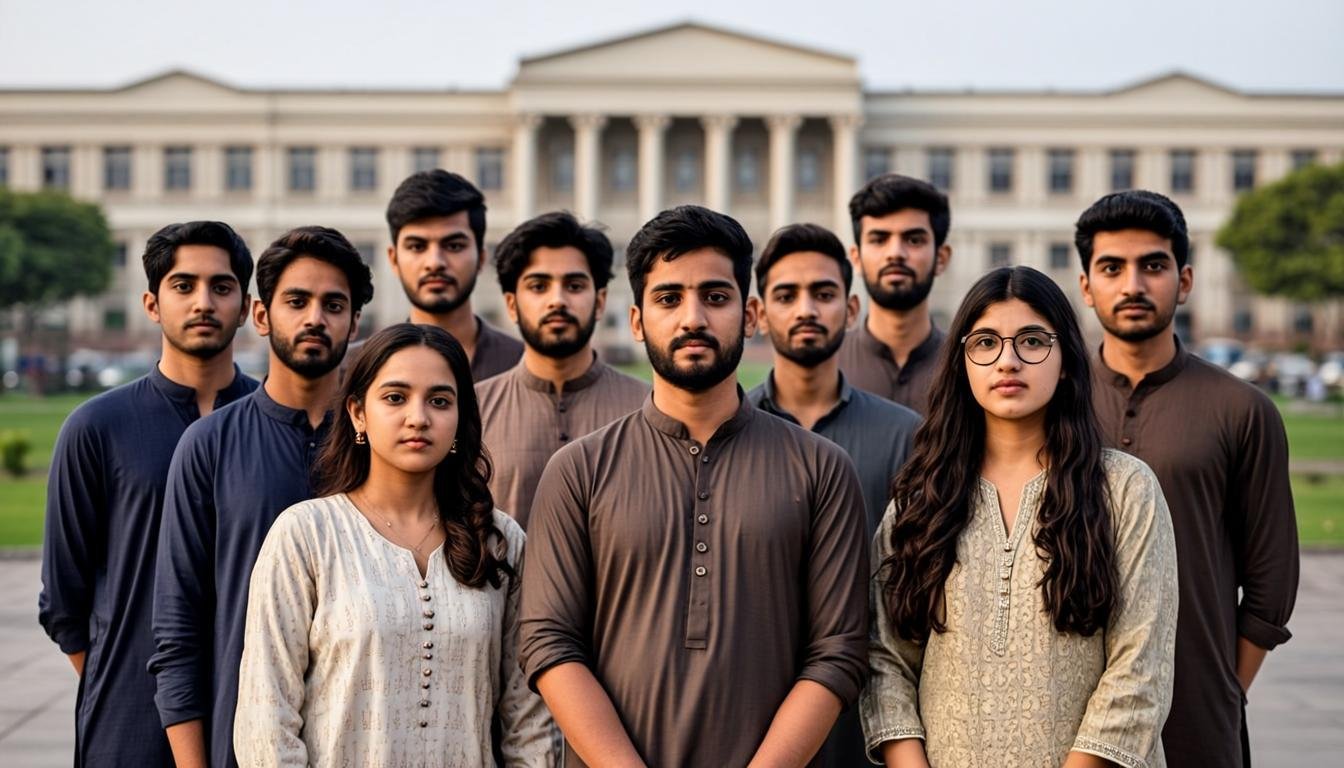
Fulbright Scholarship 2026 Eligibility Criteria for Pakistani Students
The Fulbright Scholarship stands as a beacon of opportunity for Pakistani students aspiring to pursue higher education in the United States. This prestigious program has transformed countless lives by providing access to world-class education and fostering cross-cultural understanding between nations. Understanding the Fulbright scholarship eligibility requirements is your first crucial step toward securing this life-changing opportunity for the 2026 academic year. As one of the most competitive and sought-after scholarships globally, the Fulbright Program demands careful preparation and a thorough understanding of its eligibility criteria. This comprehensive guide will walk you through every aspect of the Fulbright scholarship eligibility requirements, empowering you to prepare a compelling application that stands out in the selection process.
Table of Contents
- About the Fulbright Scholarship Program
- General Eligibility Requirements
- Academic Eligibility Criteria
- Language Proficiency Requirements
- Fulbright Scholarship Selection Criteria
- Comparison of Fulbright Categories
- Application Process for Fulbright 2026
- Interview Preparation and Assessment
- Expert Tips for Successful Application
- Common Mistakes to Avoid
- Frequently Asked Questions
- Conclusion and Next Steps
- Key Takeaways
About the Fulbright Scholarship Program
The Fulbright Program, established in 1946 under legislation introduced by Senator J. William Fulbright, represents the U.S. government’s flagship international educational exchange program. With a mission to increase mutual understanding between the people of the United States and other countries, this prestigious scholarship has evolved into the world’s most widely recognized and prestigious international exchange program. For Pakistani students, the Fulbright Scholarship offers a transformative opportunity to study at leading American institutions while serving as cultural ambassadors for Pakistan.
The Fulbright Program’s impact on educational exchange between Pakistan and the United States has been profound since its inception in Pakistan in 1951. According to the United States Educational Foundation in Pakistan (USEFP), over 2,300 Pakistanis have received Fulbright scholarships to study in the U.S. since the program’s inception in the country. These alumni have gone on to become leaders in various fields, including academia, government, business, and the arts, significantly contributing to Pakistan’s development while strengthening bilateral relations.
For Pakistani students, the Fulbright Program primarily offers two categories of scholarships:
- Fulbright Foreign Student Program: For Master’s and PhD degrees in all disciplines except medicine.
- Fulbright Foreign Language Teaching Assistant (FLTA) Program: For young teachers of English to refine their teaching skills while studying at U.S. colleges and universities.
“The Fulbright Program is not just about education; it’s about building bridges between cultures and creating a network of global leaders who understand and respect different perspectives,” notes Dr. Adeem Siddiqui, a Fulbright alumnus and current professor at a leading Pakistani university.
The program’s significance extends beyond academic achievement, emphasizing leadership potential, community engagement, and cross-cultural communication skills. Pakistani Fulbright scholars return to their home country with enhanced knowledge, networks, and perspectives, contributing to Pakistan’s development while fostering mutual understanding between the two nations.
General Eligibility Requirements
Citizenship and Residency Requirements
To qualify for the Fulbright scholarship as a Pakistani student, you must be a citizen of Pakistan and hold a valid Pakistani passport. Dual citizens who also hold U.S. citizenship are not eligible to apply. Additionally, you must be residing in Pakistan at the time of application and throughout the selection process. This requirement ensures that the scholarship reaches individuals who will return to Pakistan after completing their studies, contributing to the country’s development.
The Fulbright Program specifically targets candidates who have not resided in the United States for five or more consecutive years in the past six years. This criterion ensures that the program serves individuals who have limited prior exposure to the U.S. educational system and culture, maximizing the program’s impact on cross-cultural exchange.
Educational Background Prerequisites
The Fulbright scholarship eligibility for Pakistani students includes specific educational requirements depending on the category of scholarship you’re applying for:
- For Master’s degree programs: You must have a four-year Bachelor’s degree (or equivalent) with a minimum of 16 years of formal education from an accredited institution in Pakistan or abroad.
- For PhD programs: You must have a Master’s degree (or equivalent) with a minimum of 18 years of formal education from an accredited institution.
- For the FLTA Program: You should have a Bachelor’s degree in English Language Teaching, English Literature, or a closely related field, along with some teaching experience.
Your educational background should demonstrate strong academic performance and preparation for graduate-level study in your chosen field. The selection committee evaluates not just the completion of required degrees but the quality of education received and its relevance to your proposed field of study.
Age Limit for Fulbright Scholarship in Pakistan
The Fulbright Program in Pakistan has specific age limits to ensure that the scholarship serves candidates who will benefit most from this opportunity and can contribute significantly to Pakistan’s development upon their return:
- Master’s degree applicants: Must be under 35 years of age at the time of application.
- PhD degree applicants: Must be under 40 years of age at the time of application.
- FLTA Program applicants: Must be between 21 and 29 years of age.
These age requirements are strictly enforced, and no exceptions are made. The Fulbright Program aims to support early and mid-career professionals who have demonstrated potential for leadership and can apply their U.S. education to address Pakistan’s most pressing challenges.
Minimum GPA Required for Fulbright Pakistan
Academic excellence is a crucial component of Fulbright scholarship eligibility. While there is no absolute minimum GPA that guarantees selection, competitive applicants typically demonstrate strong academic performance:
- Master’s applicants: Generally require a minimum GPA of 3.0/4.0 or 70% in their Bachelor’s degree.
- PhD applicants: Generally require a minimum GPA of 3.0/4.0 or 70% in both their Bachelor’s and Master’s degrees.
However, academic excellence extends beyond simple GPA numbers. The selection committee evaluates your academic performance in context, considering the reputation of your institution, the rigor of your coursework, and your upward academic trajectory. A strong performance in relevant courses, particularly those related to your proposed field of study, carries significant weight in the evaluation process.
Professional Experience Requirements
For certain categories of Fulbright scholarships, relevant professional experience strengthens your application:
- Master’s degree applicants: While not mandatory, having 1-2 years of relevant work experience can enhance your application, demonstrating practical application of your academic knowledge.
- PhD applicants: Research experience or relevant professional work in your field is highly valued and often expected.
- FLTA applicants: Teaching experience is a key component of eligibility, with most successful applicants having at least one year of teaching experience.
Professional experience should demonstrate progressive responsibility, leadership potential, and relevance to your proposed field of study. The selection committee looks for candidates who have made meaningful contributions in their professional roles and can articulate how their experience has shaped their academic and career goals.

The application process requires careful attention to detail and thorough documentation
Academic Eligibility Criteria
Minimum Academic Qualifications Required
The Fulbright scholarship eligibility for Pakistani students requires specific academic qualifications that demonstrate readiness for graduate-level study in the United States. These qualifications extend beyond simply possessing the required degrees to include evidence of academic excellence and potential for advanced scholarship.
For Master’s degree applicants, the minimum qualification is a four-year Bachelor’s degree (16 years of education) from an accredited institution in Pakistan or abroad. This degree should be in a field relevant to your proposed Master’s program or demonstrate strong preparation for your intended area of study. The selection committee evaluates the relevance and quality of your previous education to ensure you have the necessary foundation for success in a U.S. graduate program.
For PhD applicants, the minimum qualification includes both a Bachelor’s and Master’s degree (18 years of education) from accredited institutions. Your Master’s degree should be particularly relevant to your proposed PhD field, with coursework and research experience that demonstrate your preparedness for doctoral-level study. The committee assesses not just the completion of these degrees but the depth and quality of your academic preparation in your chosen discipline.
Acceptable Academic Institutions and Degrees
The Fulbright Program recognizes degrees from a wide range of institutions, but certain factors influence how your academic background is evaluated:
- HEC-recognized institutions: Degrees from universities recognized by Pakistan’s Higher Education Commission (HEC) are generally well-regarded in the selection process.
- International degrees: Degrees from recognized international institutions are also acceptable, though the selection committee may require additional verification of accreditation.
- Field of study: The relevance of your previous degrees to your proposed field of study is crucial. A strong academic record in a directly related field significantly strengthens your application.
The selection committee evaluates your academic institution’s reputation and the competitiveness of your program. Graduates from highly selective programs may face different expectations than those from less competitive institutions. However, excellence is evaluated in context, and the committee recognizes varying academic standards across different institutions.
Grade Point Average (GPA) Requirements and Calculation Methods
While the Fulbright Program doesn’t publish absolute minimum GPA requirements, competitive applicants typically demonstrate strong academic performance. The selection committee evaluates your GPA in several ways:
- Scale conversion: Pakistani universities use various grading scales (percentage, GPA out of 4.0, etc.). The committee converts all grades to a standard scale for fair comparison.
- Trend analysis: Your academic performance over time is carefully examined. An upward trend can offset weaker early performance.
- Relevant coursework: Performance in courses directly related to your proposed field of study carries significant weight.
- Institutional reputation: The competitiveness of your academic institution is considered when evaluating your GPA.
For Pakistani students, a competitive GPA generally falls above 3.0/4.0 or 70% for both Bachelor’s and Master’s degrees. However, exceptional candidates with slightly lower GPAs may still be competitive if they demonstrate other strengths in their application, such as significant research experience, leadership achievements, or compelling personal circumstances that affected their academic performance.
Impact of Academic Performance on Selection Chances
Your academic performance significantly influences your selection chances for the Fulbright scholarship, but it’s evaluated as part of a holistic assessment. The selection committee considers several factors related to your academic background:
- Consistency of performance: Sustained academic excellence throughout your educational career is highly valued.
- Advanced coursework: Completion of challenging, graduate-level courses or specialized seminars demonstrates your readiness for advanced study.
- Research experience: For PhD applicants, research publications, presentations, or significant research projects strengthen your academic profile.
- Academic honors: Awards, scholarships, or recognitions for academic achievement enhance your application.
- Recommendations: Strong letters from academic evaluators that specifically address your academic abilities and potential.
“Academic excellence is the foundation of a strong Fulbright application, but it’s not the only factor,” explains Dr. Ayesha Khan, a Fulbright selection committee member. “We look for candidates who have not only excelled academically but have also demonstrated how they will apply their education to address Pakistan’s challenges.”
The committee recognizes that academic performance must be evaluated in context. They consider factors such as the competitiveness of your program, resources available to you, and any challenges you may have overcome. Your academic record tells part of your story, but the selection committee seeks to understand how your academic abilities translate to potential success in a U.S. graduate program and future leadership in Pakistan.
Preparation for Proposed Field of Study
Your preparation for your proposed field of study is a critical aspect of academic eligibility. The selection committee evaluates:
- Coursework relevance: The alignment of your previous coursework with your proposed field of study.
- Research experience: For research-based programs, your experience in conducting independent or collaborative research.
- Practical experience: Application of academic knowledge through internships, projects, or professional work.
- Statement of purpose: Your articulation of how your background prepares you for your proposed program and future goals.
You should demonstrate a clear progression in your academic preparation toward your proposed field of study. This doesn’t necessarily mean a direct linear path—many successful Fulbright applicants have interdisciplinary backgrounds—but you must articulate how your diverse experiences have prepared you for your chosen field and how your proposed U.S. education will build upon this foundation.
Language Proficiency Requirements
Is IELTS Required for Fulbright Scholarship Pakistan?
Language proficiency is a fundamental requirement for the Fulbright scholarship, as all instruction in U.S. universities is conducted in English. For Pakistani students, demonstrating English language proficiency is mandatory for most Fulbright categories. While the specific test requirements may vary slightly between categories, the standard requirement is to submit either IELTS or TOEFL scores.
Yes, IELTS is accepted for Fulbright scholarship Pakistan, along with TOEFL. Both tests are widely recognized and accepted by U.S. universities and the Fulbright selection committee. The choice between IELTS and TOEFL often depends on personal preference, test availability, and familiarity with the test format. Some applicants may perform better on one test than the other, so it’s advisable to consider your strengths when deciding which test to take.
The Fulbright Program requires official test scores sent directly from the testing agencies. Self-reported scores or copies of score reports are not accepted. You should plan to take the well in advance of the application deadline to ensure scores are received on time.
Minimum IELTS/TOEFL Score Requirements
The Fulbright Program sets minimum score requirements for English language proficiency tests to ensure candidates can succeed in an English-language academic environment:
- IELTS: A minimum overall band score of 6.5 is typically required, with no individual band score below 6.0.
- TOEFL iBT: A minimum total score of 79-80 is typically required, with minimum scores of 18-20 in each section.
These minimum scores represent the threshold for eligibility, but competitive applicants often score higher. According to recent data, successful Pakistani Fulbright applicants typically score 7.0 or higher on IELTS or 90+ on TOEFL iBT. Higher scores can strengthen your application, particularly if English is not your first language or if your proposed field of study requires advanced language skills.
For certain disciplines with heavy reading loads or extensive writing requirements, such as humanities or social sciences, the selection committee may prefer applicants with even stronger language skills. Similarly, applicants to programs requiring significant communication skills, such as education or public policy, may benefit from demonstrating exceptional language abilities.
Alternative Language Proficiency Tests
While IELTS and TOEFL are the primary English proficiency tests accepted for the Fulbright scholarship, there are some alternatives in specific circumstances:
- PTE Academic: Some applicants may submit Pearson Test of English (PTE) Academic scores, though this is less common and should be confirmed with the USEFP office.
- Duolingo English Test: In certain cases, particularly due to test availability constraints, the Duolingo English Test may be accepted, though this is not standard.
- English-medium education waiver: Applicants who have completed their entire education (Bachelor’s and/or Master’s) in an English-medium institution may be eligible for a waiver, though documentation is required.
If you believe you qualify for a language proficiency waiver, you should contact the United States Educational Foundation in Pakistan (USEFP) well in advance of the application deadline to discuss your specific circumstances. waivers are granted only in exceptional cases where the applicant’s entire education has been conducted in English at recognized institutions.
Exemptions and Special Considerations
The Fulbright Program recognizes that language proficiency requirements may present challenges for some applicants, and there are limited circumstances under which exceptions may be considered:
- Native English speakers: Citizens of countries where English is an official language may be exempt from testing requirements, though documentation is required.
- Recent English-medium education: Applicants who have completed very recent degrees (within the past two years) from recognized English-medium institutions may qualify for partial or full waivers.
- Professional experience: Extensive professional experience in English-language environments may strengthen an application but does not typically exempt candidates from testing requirements.
Special considerations are evaluated on a case-by-case basis, and applicants seeking exemptions should provide thorough documentation to support their request. However, it’s important to note that language proficiency is critical for success in U.S. academic programs, and most applicants will need to demonstrate their abilities through standardized testing.
Preparing for Language Proficiency Tests
Effective preparation for language proficiency tests is essential for meeting Fulbright scholarship eligibility requirements:
- Early assessment: Take a diagnostic test early in your preparation process to identify strengths and weaknesses.
- Targeted preparation: Focus on improving skills in areas where you’re weakest, whether reading, writing, listening, or speaking.
- Practice tests: Take full-length practice tests under timed conditions to build stamina and familiarity with the test format.
- Language immersion: Surround yourself with English through media, conversation, and academic reading to build natural fluency.
- Professional guidance: Consider enrolling in a preparation course or working with a tutor, especially if you need significant score improvement.
“Language proficiency is not just about test scores; it’s about your ability to succeed academically and socially in the United States,” advises Sarah Johnson, an English language testing expert. “Focus on developing genuine language skills rather than just test-taking strategies, as you’ll need these skills throughout your graduate studies and beyond.”
Remember that language proficiency requirements exist to ensure your success in U.S. academic programs. Strong language skills will not only help you meet eligibility requirements but also enable you to fully engage with your coursework, contribute to class discussions, and build relationships with faculty and peers.
Fulbright Scholarship Selection Criteria
Academic Excellence Assessment
Academic excellence forms the foundation of the Fulbright scholarship selection process. The selection committee evaluates your academic achievements through several lenses:
- Academic record quality: Your GPA, class ranking, and the rigor of your coursework provide objective measures of academic performance.
- Research capabilities: For graduate applicants, evidence of research experience, publications, or significant projects demonstrates readiness for advanced study.
- Academic honors and awards: Scholarships, dean’s lists, or other academic recognitions strengthen your academic profile.
- Recommendations: Letters from academic evaluators that specifically address your intellectual abilities, research potential, and academic promise.
The committee assesses not just your grades but the context in which they were achieved. They consider the competitiveness of your institution, the rigor of your program, and any challenges you may have overcome. Your academic record should demonstrate consistent performance and a clear trajectory of improvement or excellence.
According to a recent analysis of successful Fulbright applicants from Pakistan, 87% had GPAs above 3.0/4.0 or 70%, with many holding degrees from Pakistan’s most prestigious universities. However, the committee also values academic potential and intellectual curiosity, looking for candidates who will thrive in the challenging environment of U.S. graduate programs.
Leadership Potential Evaluation
The Fulbright Program seeks candidates who demonstrate exceptional leadership potential and a commitment to making positive changes in their communities and professions. The selection committee evaluates leadership through:
- Professional achievements: Positions of responsibility, successful projects, or initiatives that demonstrate leadership in your field.
- Community engagement: Activities that

Interviews are conducted virtually as part of the selection process for Pakistani candidates


